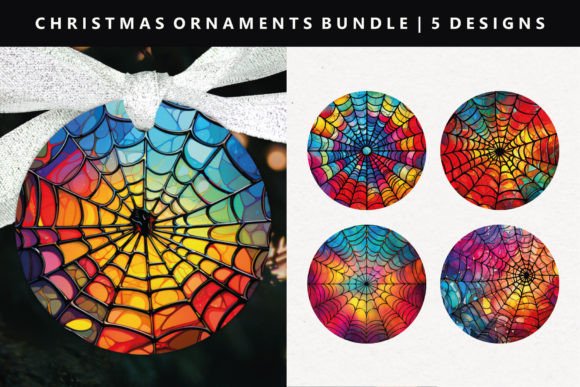
Spider Web Christmas Ornament Design for Illustrations
As a digital publisher who spends more time in Canva and Photoshop than I do sleeping, I approach every new graphic design asset with a critical eye. It is not enough for an image to be pretty; it must perform. When I first laid eyes on the Spider Web Christmas Ornament Design, my immediate reaction was one of intrigue regarding its editorial potential. This is not your standard, saccharine holiday clipart. Instead, it offers a moody, gothic-chic aesthetic that cuts through the noise of traditional red-and-green content. For bloggers and website owners looking to carve out a unique niche during the festive season, this piece of Illustrations art provides a sophisticated alternative that commands attention.
Setting the Editorial Mood and Reader Perception
The first impression this asset creates is undeniably atmospheric. In the world of editorial design, mood is everything. The intricate detailing of the spider web woven into the classic ornament shape suggests a blend of tradition and edge. It feels artistic, slightly mysterious, and deeply decorative. For a lifestyle blog that focuses on alternative holiday decor, a true-crime podcast launching a winter series, or a fashion site exploring "goth glam" trends, this visual communicates instantly. It tells the reader that the content they are about to consume is curated, thoughtful, and distinct from the mass-market fluff found elsewhere.
Using the Spider Web Christmas Ornament Design shifts the perception of your brand from generic to curated. It supports content that needs to look polished yet daring. Whether you are running an affiliate site selling unique home goods or an online educator teaching graphic design trends, this image signals a higher level of creative intent. It avoids the playful innocence of typical holiday graphics, opting instead for a bold, modern design statement that resonates with audiences tired of clichés.
Integrating the Asset into Real Publishing Workflows
In my own workflow, versatility is king. A single digital download needs to work across multiple touchpoints to justify its cost and integration time. The Spider Web Christmas Ornament Design excels here because of its strong silhouette and clear lines. I can immediately envision using this as a featured image for a blog post titled "10 Unconventional Holiday Decor Ideas." The high contrast ensures that when overlayed with white serif typography, the text remains legible, creating a stunning website header.
Beyond the blog roll, this asset is a goldmine for social media strategy. Imagine a vertical Pinterest pin where the ornament hangs centrally, drawing the eye down to a call-to-action button. The visual hierarchy is natural; the web pattern adds texture without overwhelming the message. For newsletter creators, this graphic serves as an excellent header banner, breaking up the monotony of text-heavy emails with a seasonal flourish that doesn't feel cheesy. It also works beautifully as a category thumbnail, helping readers visually identify your "Winter Collections" or "Seasonal Guides" at a glance.
For those creating digital products, such as eBooks or printable planners, this illustration can be used as a chapter divider or a cover accent. It adds a layer of professional polish to lead magnets and worksheets. If you are an affiliate marketer promoting Halloween-to-Christmas transition decor, this image bridges the gap perfectly, serving as a visual anchor for your content marketing efforts.
Boosting Content Performance and Brand Identity
Why does this specific asset matter for your metrics? In the crowded digital space, a stronger first impression leads to better click-through potential. When a user scrolls through a feed filled with Santa Claus and snowflakes, the Spider Web Christmas Ornament Design stops the scroll. It creates a moment of pause. This improved reader trust comes from consistency; if your brand voice is edgy and authentic, using generic stock photos undermines that identity. Using cohesive design assets like this strengthens your brand identity and makes your content pages look significantly more professional.
Furthermore, consistent use of such distinctive visuals aids in category recognition. Over time, your audience will associate this specific aesthetic with your publication. This is crucial for small business branding, where every pixel counts toward building loyalty. By incorporating this into your social media graphics and blog graphics, you create a unified visual language that says, "We pay attention to detail."
Strategic Placement and Usage Constraints
While this asset is powerful, it requires strategic placement. It works best as a hero image, a large article thumbnail, or a dedicated printable design element. However, caution is advised when scaling it down for small mobile thumbnails. The intricate details of the spider web might lose definition on smaller screens, turning into a muddy blob. In these cases, ensure the contrast is high or use a simplified crop of the image.
Additionally, be mindful of text-heavy layouts. Because the web pattern is complex, placing body text directly over the busiest parts of the ornament can ruin readability. Always use solid color overlays or place the text in the negative space surrounding the ornament. This asset might also clash with very serious professional niches, such as corporate finance or medical advice, unless used ironically or in a very specific context. It is best suited for creative, lifestyle, and entertainment sectors where creative design is expected.
Practical Notes for Publishers and Designers
Before publishing, I always run a few tests. First, view the Spider Web Christmas Ornament Design on both desktop and mobile screens to ensure the lines remain crisp. Second, test it against different typography styles. I found it pairs exceptionally well with elegant serif fonts for a classic look, but also pops against bold sans-serif fonts for a modern vibe. Avoid overly swirly script fonts that might compete with the web's curves.
From a technical standpoint, review the file size. For web design, speed is essential. Compress the images properly using tools like TinyPNG to ensure they don't slow down your page load times, which can hurt SEO. Finally, and most importantly, confirm the commercial license. If you are using this on monetized websites, affiliate pages, or in paid Canva templates for clients, you must ensure you have the right to use it commercially. Never assume a digital download from a creative marketplace includes unlimited commercial rights without reading the fine print.
In conclusion, the Spider Web Christmas Ornament Design is more than just a holiday graphic; it is a versatile tool for the modern publisher. When used with intention, it elevates editorial design, strengthens visual hierarchy, and helps your content stand out in a saturated market. Whether you are designing a digital guide or sprucing up your blog's winter theme, this asset offers the perfect blend of seasonal spirit and artistic edge.