Skull Christmas Ornament Bundle: A Designer’s Review
As a designer who has spent countless hours staring at digitized previews and even more hours watching needles punch through fabric, I have learned to be skeptical of trendy bundles. The market is flooded with holiday motifs that look crisp on a screen but turn into a tangled mess of thread breaks and puckering once they hit the hoop. However, the Skull Christmas Ornament Bundle caught my eye for a specific reason: it bridges two vastly different aesthetics—macabre edge and festive tradition—in a way that feels intentional rather than forced. I recently pulled these files for a client project involving a line of alternative holiday apparel, and here is my practical assessment of how this collection holds up in real-world embroidery scenarios.
First Impressions: Mood and Visual Personality
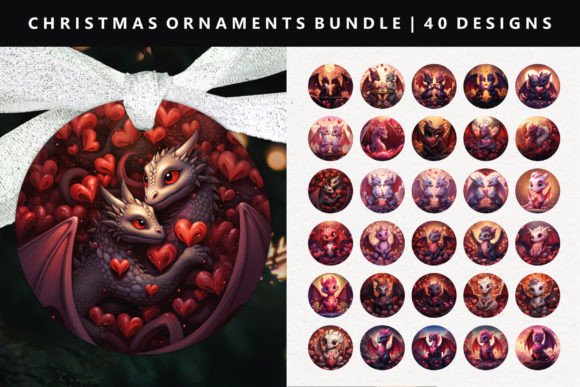
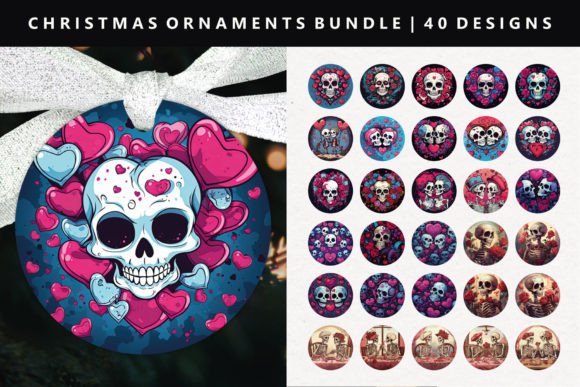
The immediate appeal of this bundle lies in its thematic contrast. We are accustomed to seeing snowflakes, reindeer, and holly during the winter season. Introducing a skull motif wrapped in holiday elements creates a striking visual tension. It appeals to a growing demographic of buyers who want their holiday decor and apparel to reflect a darker, edgier, or more gothic personality. From a design perspective, the illustrations within the Skull Christmas Ornament Bundle are balanced. They do not rely solely on shock value; instead, they integrate classic ornament shapes—baubles, bells, and wreaths—with skeletal structures in a cohesive layout.
The level of detail is moderate, which is crucial for embroidery. Overly complex illustrations often fail when translated into stitches because the machine cannot replicate the fine lines of a digital drawing without becoming dense and stiff. These designs appear to have been digitized with an understanding of thread behavior. The shapes are bold enough to read from a distance, yet they retain enough intricacy to reward close inspection. This makes them versatile for both large statement pieces and smaller accent items.
Real-World Application: From Screen to Stitch
To test the viability of these designs, I applied them to a few standard substrates used in my small shop. My primary test was a custom sweatshirt embroidery project for a boutique client selling alternative streetwear. I chose a mid-weight cotton blend fleece, which is a common choice for custom apparel. The design sat comfortably on the left chest area. Because the skull motif incorporates solid areas, I paid close attention to the fill stitch density. Fortunately, the digitizing allowed the fabric to breathe, preventing that cardboard-like stiffness that plagues many heavy holiday designs.
I also tested a smaller variant on a canvas tote bag design. Canvas presents a different challenge due to its weave and thickness. Here, the clarity of the outline was paramount. The design held up well, with clean edges that did not get lost in the texture of the fabric. This suggests that the Skull Christmas Ornament Bundle is suitable for embroidered patch creation as well. Patches require high contrast and defined borders to look professional when cut or merrowed, and these files provide that structural integrity.
For those considering baby embroidery or nursery decor, I would advise caution. While the artistic merit is high, the skull theme is niche. It fits perfectly for holiday gifts aimed at teens, adults, or gothic-themed households, but it may not align with traditional personalized gift expectations for infants. However, for a craft business targeting a specific subculture, this bundle offers a unique selling proposition that stands out in a saturated Etsy seller marketplace.
Technical Considerations and Fabric Compatibility
One of the most critical aspects of evaluating any machine embroidery design is understanding where it might fail. The Skull Christmas Ornament Bundle performs best on stable, medium-to-heavy weight fabrics. When working with thin fabric or lightweight knits, the weight of the stitches can cause pulling or distortion. If you plan to use these on a t-shirt, I strongly recommend using a cut-away stabilizer to support the design long-term, especially since holiday items are often washed frequently.
Curved surfaces, such as caps or hats, present another challenge. The skull shapes are relatively symmetrical, which helps, but if the design includes wide horizontal elements, hooping can become tricky. I found that scaling the design down slightly for cap embroidery helped maintain proportion without exceeding the hoop limits. Always check the recommended hoop size provided with the digital embroidery file before starting. Trying to force a large design into a small hoop will result in skipped stitches and misalignment.
Color selection is equally vital. These designs rely on contrast. On dark fabric, using light or metallic thread colors for the highlight areas of the skull and ornament details creates a pop that enhances the three-dimensional effect. Conversely, on light fabrics, deep reds, blacks, and greens anchor the design. I experimented with a satin stitch border on one of the bauble elements, and it added a nice sheen that contrasted well with the matte fill of the skull. However, avoid overly dense satin columns on stretchy materials, as they can tunnel over time.
Commercial Value and Brand Consistency
For commercial embroidery professionals and small shop product creators, this bundle offers significant value. It allows for differentiation. In a sea of generic snowmen, a well-executed skull ornament signals a brand that is bold and contemporary. This can increase buyer engagement and perceived value. When creating printable mockup images for your online store, ensure you photograph the stitched result on high-quality garments. The tactile nature of embroidery sells better when customers can see the texture of the thread colors against the fabric texture.
It is essential to verify the licensing terms before selling finished items. Most designers allow commercial use for physical products, but restrictions may apply to digital resale. Confirm whether the embroidery file license permits you to sell the stitched finished product on platforms like Etsy or at craft fairs. Using proper design assets legally protects your craft business and builds trust with your customers.
Practical Designer Notes for Best Results
- Test on Scrap First: Always stitch out a test on the same fabric and stabilizer combination you plan to use for the final product. This reveals any tension issues or density problems.
- Check Thread Contrast: Ensure your thread choices provide enough contrast to define the skull features. Low-contrast combinations can make the design look muddy from a distance.
- Review Stitch Density: If the design feels too stiff, consider adding a layer of tulle or mesh underlay if your software allows, or adjust the density settings if you have editing capabilities.
- Inspect Small Details: Zoom in on the preview to check for tiny isolated stitches that might not catch properly. Trim jump stitches carefully to maintain a clean look.
- Mockup Verification: Test the design in black and white mockups to ensure the shape reads clearly without relying on color cues.
- Fabric Suitability: Avoid using these detailed designs on highly textured fabrics like heavy bouclé, where small details can get lost in the pile.
In conclusion, the Skull Christmas Ornament Bundle is a robust addition to any designer’s library who caters to the alternative or gothic holiday market. It balances aesthetic appeal with technical practicality, offering clear lines and manageable density. Whether you are creating a personalized gift for a friend who loves dark humor or stocking your Etsy seller shop with unique holiday embroidery items, this collection provides the versatility and professional finish needed to succeed. Just remember to respect the technical limitations of your machine and fabric, and always prioritize quality control in your stitching process.