Reviewing 30 Festive Christmas Coloring Images for Embroidery
As a designer who has spent countless hours digitizing and stitching out holiday motifs, I approach any new collection with a mix of excitement and skepticism. The market is flooded with seasonal graphics, but few translate well from screen to needle. When I first opened the folder for 30 Festive Christmas Coloring Images, my immediate question was not about the aesthetic appeal—though that is important—but about functionality. Can these illustrations actually survive the tension of a hoop? Do they hold up on textured fabrics? And most importantly for my clients, do they look professional once stitched?
This review comes from the perspective of someone who builds handmade products for a living. I am not just looking at pretty pictures; I am evaluating assets for commercial embroidery, Etsy seller inventories, and custom client orders. Here is my practical breakdown of how this collection performs in real-world scenarios.
First Impressions: Mood and Visual Personality
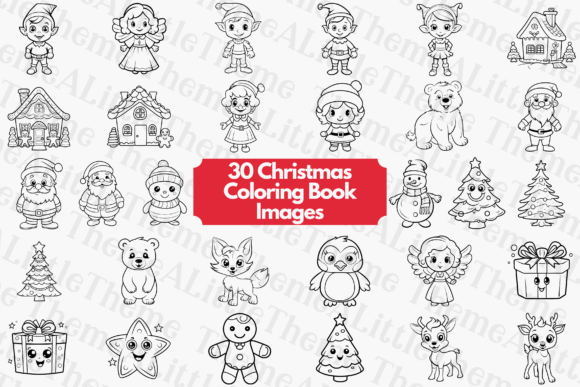
The initial visual impact of 30 Festive Christmas Coloring Images is warm and inviting. The collection leans into a nostalgic, hand-drawn aesthetic rather than rigid, vector-perfect lines. This is a crucial distinction for embroidery. Designs that are too perfect often look sterile when stitched, whereas those with a bit of organic irregularity tend to blend better with the natural texture of thread.
The mood created is cozy and traditional. We are talking about classic holiday symbols rendered in a way that feels approachable. For a craft business owner, this is gold. It appeals to buyers looking for that "homemade with love" feel without sacrificing quality. The layout of each image within the set is generally balanced, avoiding excessive negative space that can cause fabric puckering or overly dense areas that might break needles.
Real-World Application: From Digital File to Finished Product
To truly test the viability of these Illustrations, I imagined several specific projects. Let’s start with a custom tote bag design. Tote bags are typically made from canvas or heavy cotton, which can handle moderate stitch density. I selected one of the larger festive motifs from the collection. Because the lines are clear and distinct, the translation to a fill stitch or satin stitch boundary was straightforward. The resulting embroidered patch effect on the bag looked crisp, not muddy.
Next, I considered sweatshirt embroidery. This is a tricky surface due to the fleece backing and stretch. The simpler designs within the 30 Festive Christmas Coloring Images set worked beautifully here. Complex, tiny details get lost in the pile of a sweatshirt, but the bold outlines of these coloring-style images remained visible. This makes them ideal for custom apparel where readability from a distance is key.
For baby embroidery, softness is paramount. I looked at the smaller, simpler icons in the set. These would work well on onesies or burp cloths, provided the digitizer reduces the stitch density significantly. The charm of these images lies in their simplicity, which aligns perfectly with the delicate nature of infant garments. A personalized gift featuring one of these motifs alongside a name in a complementary script font would likely perform well in a boutique setting.
Navigating Technical Challenges and Fabric Constraints
While the aesthetic is strong, we must address where caution is needed. Not every image in a 30-piece set is suitable for every application. If you are working with thin fabric like silk or lightweight rayon, the heavier elements of these designs could cause pulling or distortion. In such cases, using a high-quality cut-away stabilizer is non-negotiable. I always advise testing on scrap fabric first to gauge how the material reacts to the specific thread colors and stitch types used.
Curved surfaces, such as caps or hats, present another challenge. The hoop size limitations mean you cannot use the largest images from the collection without scaling them down, which might compromise detail. For caps, I recommend selecting the most compact icons from the set. Avoid designs with long, horizontal spans that might warp across the crown of the hat. Additionally, be mindful of textured fabrics like terry cloth towels. The intricate parts of some coloring images may disappear into the loops of the towel. For kitchen towels, stick to the bolder, less detailed options in the pack.
Dark fabrics require special attention to contrast. Since these are coloring-style images, they rely on line work. If you stitch black thread on navy blue, the design will vanish. Always check your thread color contrast before committing to a full run. A quick test in a black-and-white mockup can save you from costly mistakes.
Enhancing Brand Value and Customer Trust
Why does the choice of design matter for your brand? Consistency. Using a cohesive set like 30 Festive Christmas Coloring Images allows you to create a unified look across your small shop product line. Whether you are selling pillow covers, aprons, or holiday gifts, having a recognizable style helps build brand recognition. Customers trust shops that appear curated and professional.
Furthermore, the "coloring book" style invites interaction. You could market these as partially finished items where the customer adds their own flair, or simply as clean, classic designs that stand out against the noise of overly busy digital prints. This clarity enhances the perceived value of the finished product. It looks intentional, not cluttered.
Practical Notes for the Embroidery Designer
Before you load these into your machine, keep these technical checkpoints in mind:
- Check Licensing: Confirm whether the license allows for commercial use if you plan to sell finished products or digital embroidery files. Never assume; always read the terms.
- Digitize with Care: If these are provided as raw images rather than pre-digitized files, your choice of stitch type matters. Use running stitch for fine details and satin stitch for borders to maintain that hand-drawn look.
- Test Density: High stitch density can make fabric stiff. Adjust your settings based on the garment type. A stiff embroidered patch on a soft baby blanket is a dealbreaker.
- Mockup Verification: Use printable mockup tools to visualize how the design sits on different colored garments. This helps in creating compelling listings for your Etsy store or website.
- Detail Inspection: Zoom in on the smallest elements. If a detail is thinner than your needle’s width, it will not stitch out correctly. Simplify or remove these micro-details.
In conclusion, 30 Festive Christmas Coloring Images offers a versatile toolkit for the modern maker. It bridges the gap between whimsical illustration and practical design assets. By understanding the limitations of your materials and respecting the technical requirements of machine embroidery, you can transform these images into high-value items. Whether you are decorating a single tote bag for a friend or stocking your online store for the holiday rush, this collection provides the foundational creativity you need. Just remember: the best design is the one that stitches out cleanly, wears well, and brings joy to the recipient. Keep your stabilizer handy, your threads fresh, and your expectations realistic, and you will find great success with these festive motifs.