Review: Christmas GNOME Clipart Transparent PNG for Embroidery
As a designer who spends more time staring at stitch charts than holiday movies, I approach seasonal assets with a critical eye. We all want that cozy, whimsical vibe in December, but not every cute graphic translates well into thread. When I first pulled up the Christmas GNOME Clipart Transparent PNG, my immediate reaction was one of cautious optimism. In the world of Illustrations, gnomes are everywhere, but finding one with clean lines and a personality that doesn't get lost in satin stitching is a different story. This review breaks down how this specific asset holds up when moving from a digital screen to a tangible, stitched reality.
First Impressions and Visual Personality
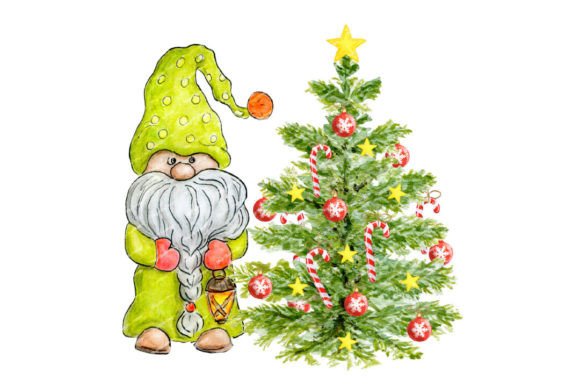
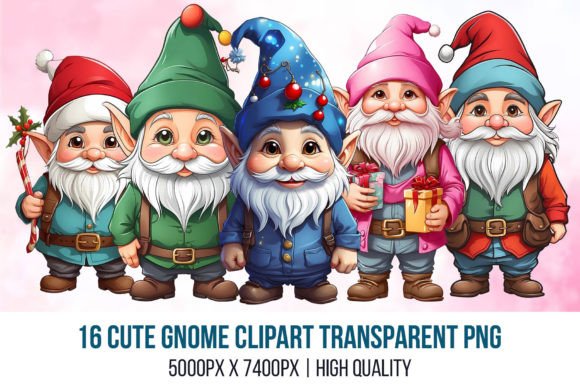
The moment you load the file, the mood is unmistakably festive without being chaotic. The silhouette of the gnome feels sturdy, which is crucial for embroidery. I've seen too many designs where the hat brim is too thin or the beard details are so intricate they turn into a bird's nest of thread breaks. This Christmas GNOME Clipart Transparent PNG strikes a nice balance. The shapes are bold enough to suggest character but simple enough to respect the limitations of a home embroidery machine.
The transparency of the PNG is a massive plus for us digital sellers and mockup creators. It allows for seamless integration into printable mockups or social media previews before we even hoop a single piece of fabric. Visually, it exudes a handmade charm that fits perfectly with the current trend of rustic, farmhouse-style holiday decor. It doesn't scream "clip art"; it whispers "heirloom," which is exactly what we want our customers to feel.
Real-World Application: The Holiday Tote Test
To truly evaluate this design, I imagined a specific real-life scenario: preparing a run of custom embroidered tote bags for a local boutique's holiday market. These bags needed to be durable, washable, and visually striking on a canvas texture. Using the Christmas GNOME Clipart Transparent PNG as a reference for digitizing (or verifying an existing embroidery file), I assessed how the gnome would sit on a textured surface.
On a canvas tote, the bold outlines of the gnome's hat and body would hold up beautifully against the weave of the fabric. Unlike complex applique design options that might require excessive cutting and placement time, this graphic suggests a straightforward fill approach. For a small shop product, speed matters. If this design converts well into a machine embroidery design with appropriate stitch density, it becomes a high-margin item. Customers love seeing a cheerful gnome on a grocery bag or gift sack; it adds that personal touch that elevates a generic bag into a personalized gift.
Beyond totes, I can see this working exceptionally well on sweatshirt embroidery. The soft curves of the gnome complement the casual drape of fleece or cotton blends. Whether placed on the chest of a crewneck or the leg of sweatpants, the scale seems versatile. For baby embroidery, the friendly face of the gnome is non-threatening and adorable, making it a safe bet for onesies or blanket corners, provided the stitch count isn't too high for delicate skin.
Navigating Fabric Challenges and Hoop Constraints
However, enthusiasm must be tempered with technical reality. Not every surface is created equal. When considering the Christmas GNOME Clipart Transparent PNG for curved surfaces like caps, one must be careful. The width of the gnome's hat might push the limits of a standard cap frame. If the design is too wide, the needle could strike the frame, ruining both the finished product and the machine. Always measure your available stitching area before committing.
Fabric texture also plays a pivotal role. On dark fabrics, the contrast of the thread colors becomes critical. If the original illustration relies on subtle shading, those nuances might vanish under thick fill stitch work on black velvet or navy wool. In these cases, relying on strong thread colors and perhaps incorporating a running stitch outline to define edges would be wise. Conversely, on thin or stretchy fabrics like jersey knits, the density of the stitches could cause puckering. A robust stabilizer is non-negotiable here. You don't want your festive gnome looking distorted after the first wash.
Small details are another area of concern. If the PNG includes tiny elements like buttons on the coat or intricate patterns on the hat, these may need simplification during the digitizing phase. Tiny lettering or minute corners often fail to stitch out cleanly, resulting in thread clumps. For a professional look, it is often better to sacrifice minor details for overall clarity.
Commercial Viability and Brand Consistency
For Etsy sellers and creative entrepreneurs, the visual appeal of this design directly impacts buyer engagement. A crisp, well-executed gnome signals quality. It builds customer trust because it looks intentional rather than slapped on. When building a brand around holiday goods, consistency is key. If your shop sells rustic wooden signs and then offers a digitally perfect but poorly stitched gnome shirt, it creates cognitive dissonance. This particular illustration, with its organic feel, supports a cohesive brand identity centered on warmth and tradition.
Furthermore, using this asset for commercial embroidery projects requires due diligence. While the PNG itself is great for visuals, selling the physical stitched item depends entirely on the license associated with the source file. Always confirm licensing terms before listing items on your craft business platform. Are you allowed to sell unlimited finished goods? Do you need to credit the artist? These questions are just as important as the stitch count.
Practical Notes for the Working Designer
Before you launch this design into production, here is my checklist for ensuring success:
- Test on Scrap First: Never skip the test stitch-out. Use the same fabric and stabilizer combination you plan to use for the final run.
- Check Contrast: View your design in black and white. If the details disappear in grayscale, they will likely get lost in the stitching too.
- Review Density: Ensure the stitch density isn't so high that it creates a cardboard-like feel on soft garments.
- Confirm Hoop Size: Double-check that the design fits within your available hoop size, especially for awkward items like socks or sleeves.
- Inspect Small Details: Zoom in on the digitized version. Are there tiny islands of fabric that won't anchor well? Simplify if necessary.
- Light vs. Dark Backgrounds: Simulate how the design looks on both light and dark fabrics to anticipate thread color needs.
- Licensing Check: Reiterate the importance of verifying rights for digital embroidery file usage versus finished product sales.
In conclusion, the Christmas GNOME Clipart Transparent PNG offers a solid foundation for holiday creativity. It possesses the right kind of visual weight to translate effectively into thread, making it a viable candidate for everything from embroidered patches to kitchen towel embellishments. With careful attention to fabric choice, stabilization, and digitizing tweaks, this design can become a staple in your winter collection. It's not just a picture; it's a potential bestseller waiting for the right touch of thread.