Review: Christmas Background with Elements Toys Illustrations
As a graphic designer who has spent the better part of a decade refining brand identities and seasonal campaigns for small businesses, I approach every new graphic design asset with a critical eye. It is not enough for an image to be pretty; it must be functional, versatile, and capable of carrying a commercial message without overwhelming the viewer. Recently, I had the opportunity to integrate Christmas Background with Elements Toys into a mock project for a boutique toy retailer preparing their holiday launch. This review breaks down how this specific set of Illustrations performs in real-world design scenarios, from packaging to digital ads.
First Impressions: Mood, Style, and Visual Weight
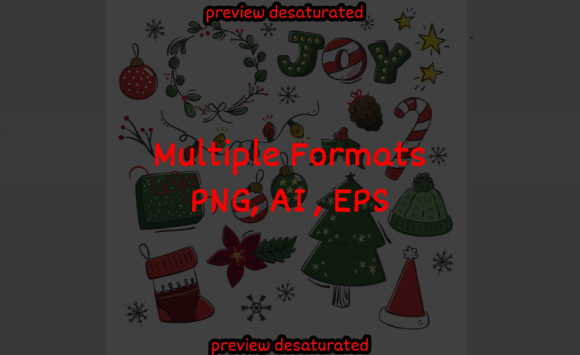
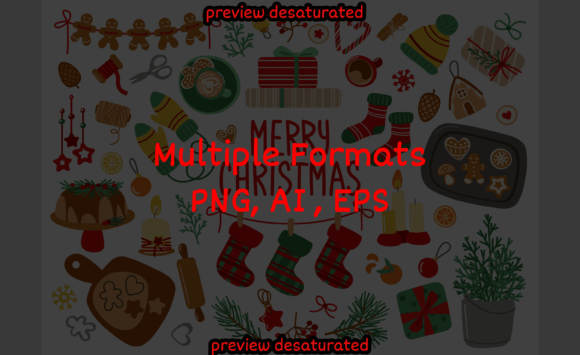
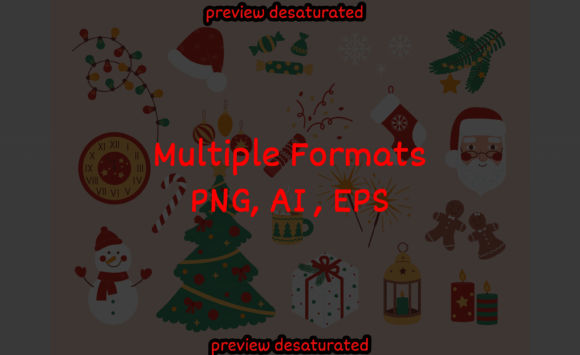
The first thing that strikes you about Christmas Background with Elements Toys is its balanced whimsy. Unlike many generic holiday assets that rely on chaotic clutter or overly saturated colors, this collection maintains a cohesive visual language. The mood is nostalgic yet modern, evoking the warmth of a traditional Christmas morning while retaining the clean lines necessary for contemporary brand identity work. The style leans towards a polished illustrative approach, making it ideal for clients who want to appear approachable and family-friendly without sacrificing professionalism.
For a client project, this matters immensely. When I presented initial concepts using these assets, the immediate feedback was positive because the visuals communicated "joy" and "quality" simultaneously. The elements do not fight for attention; instead, they create a supportive backdrop that allows product photography or typography to shine. This makes the asset a strong candidate for any creative design project where emotional connection is key.
Versatility in Real Client Projects
The true test of any digital product is its adaptability across various mediums. I tested Christmas Background with Elements Toys across several common deliverables required by my clients, ranging from physical goods to digital marketing.
- Packaging Design: The assets worked exceptionally well on box labels and wrapping paper concepts. The spacing between elements allowed for clear placement of barcodes and ingredient lists, maintaining visual hierarchy even in busy layouts.
- Social Media Graphics: For Instagram posts and Pinterest pins, the illustrations provided instant seasonal context. They served as excellent frames for promotional text, helping to stop the scroll during the crowded holiday feed.
- Print-on-Demand and Merchandise: I applied the designs to t-shirt mockups and tote bags. The resolution held up well, suggesting that the source files are robust enough for sublimation design and direct-to-garment printing.
- Etsy Products and Printables: For clients selling digital downloads, this asset is a goldmine. It can be easily incorporated into printable design templates for greeting cards, gift tags, and wall art, adding perceived value to simple Cricut projects.
Whether you are creating a Canva template for non-designers or building a custom web design hero section, the flexibility of these toys and background elements allows for significant creative freedom. They function not just as decoration, but as structural components that guide the eye.
Strategic Placement: Where It Shines and Where to Pause
Understanding where to place Christmas Background with Elements Toys is crucial for maintaining a polished look. In my experience, this asset performs best in large layout areas where it can breathe. It excels as a hero graphic on landing pages or as a full-bleed background for event invitations. The detailed nature of the toys invites closer inspection, so giving them space enhances their charm.
However, designers should exercise caution when using these illustrations in crowded layouts. If you are designing a complex flyer with extensive copy, using the full background might reduce readability. In such cases, I recommend isolating individual elements—such as a single toy or a cluster of gifts—to use as decorative accents rather than a full backdrop. This technique preserves the modern design aesthetic while ensuring the primary message remains legible.
Additionally, this asset may not be suitable for minimalist corporate branding or high-end luxury products that rely on stark negative space. The playful nature of the toys conflicts with serious, sterile, or ultra-minimalist brand voices. Always align the asset with the client’s core values before committing to the design direction.
Impact on Brand Consistency and Engagement
From a psychological perspective, Christmas Background with Elements Toys boosts audience engagement by triggering positive associations with childhood and celebration. For a handmade business or a small business branding effort, this emotional appeal can translate directly into higher conversion rates. The assets help build visual trust by presenting a cohesive, thoughtful aesthetic that suggests the brand cares about details.
When used consistently across marketing visuals, from email headers to sticker design sheets, these illustrations reinforce brand recognition. Customers begin to associate the specific style of the toys with the brand itself, creating a memorable editorial design presence that stands out in the creative marketplace.
Practical Designer Notes for Commercial Use
Before handing off final files to a client or uploading to a commercial design platform, there are several technical checks I always perform. Here is my workflow for ensuring Christmas Background with Elements Toys is ready for prime time:
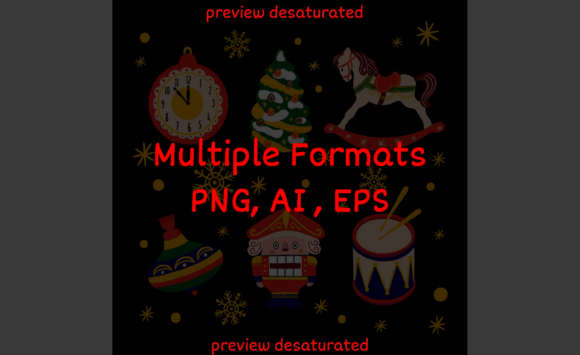
- Check File Formats: Verify if you are working with a PNG design with transparency or a scalable SVG design. For print, ensure the DPI is at least 300. For web, optimize file sizes to maintain load speed.
- Test Contrast: Place the assets on both light and dark backgrounds. Ensure that the colors of the toys do not blend into the background, which can ruin visual hierarchy.
- Typography Pairing: Experiment with different font styles. I found that these illustrations pair beautifully with bold sans serif font choices for a modern look, or playful handwritten font styles for a more personal touch. Avoid overly ornate script font options that might compete with the detail in the toys.
- Black and White Test: Convert your design to grayscale to check for value contrast. This ensures that the design remains effective even if printed in limited color modes.
- Licensing Verification: Always confirm the commercial license terms. If you are creating a design bundle for resale or using it for a client’s logo design, ensure you have the appropriate rights. Never assume a standard download includes extended commercial usage.
- Mockup Preview: Always place the design on a realistic product mockup before final approval. Seeing the clipart on a actual mug or box reveals scaling issues that flat screens often hide.
In conclusion, Christmas Background with Elements Toys is a robust addition to any designer’s library. It bridges the gap between festive charm and professional utility, making it a reliable choice for Illustrations in holiday campaigns. By respecting its visual weight and adhering to best practices in layout and licensing, you can leverage this asset to create compelling, high-quality work that delights clients and engages audiences alike.