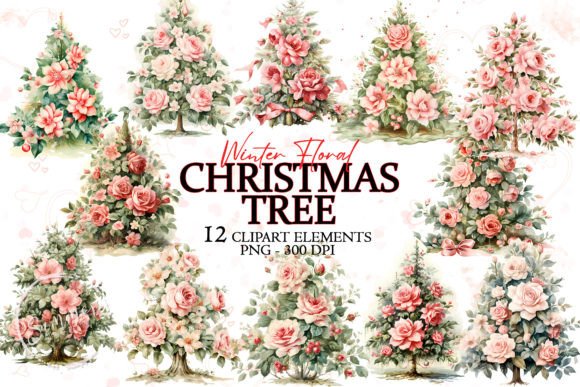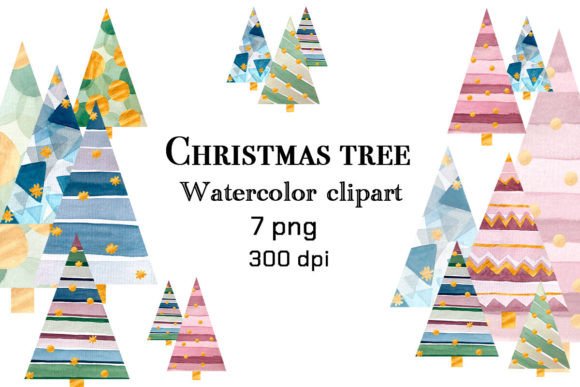
Hand Painted Christmas Tree Clipart for Illustrations
As a digital publisher who has spent years refining the visual identity of multiple content websites, I approach every new graphic design asset with a critical eye. It is not enough for an image to simply be "cute"; it must perform. When I first opened the files for the Hand Painted Christmas Tree Clipart, my immediate reaction was one of relief. In a sea of generic, vector-perfect holiday graphics that often feel cold and corporate, this collection offers something far more valuable: warmth. The watercolor textures and organic brushstrokes create an editorial mood that is distinctly lifestyle-focused, artistic, and inviting. For bloggers and content creators, this specific aesthetic is crucial because it signals to the reader that the content behind the image is human, curated, and trustworthy.
Setting the Editorial Tone for Seasonal Content
The primary strength of this asset lies in its ability to soften the digital experience. Websites can often feel sterile, but incorporating Illustrations with a hand-painted quality bridges the gap between screen and sentiment. This particular clipart set feels playful yet sophisticated, making it an ideal fit for niches such as home decor, parenting, food blogging, and DIY crafts. If you are running an affiliate marketing site focused on holiday gifts or a personal brand sharing family traditions, the visual language here supports your narrative perfectly. It avoids the trap of looking like a stock photo; instead, it looks like custom creative design made specifically for your brand. This distinction is vital for building brand identity in a crowded marketplace where readers crave authenticity over polish.
Integrating Assets into a Real Publishing Workflow
Let's talk about practical application. When I am preparing a content calendar for December, I need assets that are versatile enough to span multiple platforms without losing their impact. The Hand Painted Christmas Tree Clipart excels here because of its transparent backgrounds and high-resolution details. I can immediately envision using these elements to construct high-converting Pinterest pin designs. The texture of the paint adds depth that stops the scroll, while the subject matter is instantly recognizable. Beyond social media, these images are perfect for blog graphics and article headers. Imagine a featured image for a post about "Sustainable Holiday Decorating" where a hand-painted tree sits beside a bold serif headline; the contrast creates a stunning visual hierarchy that guides the eye naturally.
Furthermore, for those of us selling digital product lines, these illustrations are gold. They can be layered into Canva template kits for other creators, used as decorative accents in a downloadable digital guide, or featured on the cover of an eBook. If you are creating a lead magnet such as a "Holiday Meal Planner" or a "Gift Tracker Worksheet," incorporating these trees adds a level of perceived value that justifies an email exchange. It transforms a simple PDF into a keepsake. For newsletter creators, placing one of these trees in the website header or as a divider in an email campaign can significantly boost open rates by signaling seasonal relevance before the subscriber even reads the subject line.
Driving Performance Through Visual Consistency
Why does this matter for metrics? Because consistent, high-quality visuals improve content marketing outcomes. When a reader sees a cohesive look across your social media graphics, blog thumbnails, and downloadable resources, it reinforces professional credibility. The Hand Painted Christmas Tree Clipart supports this by offering a unified style that can be scaled. Whether you are designing a small icon for a navigation menu or a large hero banner for a landing page, the artistic style remains consistent. This consistency leads to better category recognition; eventually, your audience will associate that specific watercolor style with your publication. Stronger visual identity translates to improved reader trust, which is the currency of the modern web. If your site looks polished and intentional, users are more likely to click through to affiliate links or purchase your recommended products.
Strategic Placement and Design Considerations
However, even the best design assets require strategic placement. These illustrations work best when given room to breathe. They shine in hero images, article thumbnails, and as focal points in editorial design layouts. They are particularly effective when paired with clean typography. I recommend testing them beside various font styles: a classic serif for elegance, a modern sans serif for clarity, or a handwritten script to amplify the artistic vibe. However, caution is needed when using them in small mobile thumbnails where the delicate brushstrokes might get lost. Avoid placing them on busy backgrounds or low-contrast surfaces where the soft edges of the watercolor could blend in and reduce readability. Additionally, if your niche is strictly corporate or financial, this playful, artistic style might clash with the serious tone required for those industries.
Practical Notes for Publishers and Designers
Before deploying these assets across your monetized channels, there are several technical checks to perform. First, always test the images on both desktop and mobile screens to ensure the details hold up on smaller displays. Preview the clipart inside your actual blog layout rather than just in your design software to see how it interacts with your theme's whitespace. Check the file size; while high resolution is great for printables, you must compress images properly for web performance to avoid slowing down your page load times.
It is also essential to review the licensing terms. Ensure you have a valid commercial license if you plan to use these on affiliate pages, in paid content products, or for client work. Most items found on a creative marketplace offer this, but verification is key for small business branding protection. Finally, consider how these images look in black and white for potential print applications or grayscale modes. By treating this digital download as a core component of your commercial design strategy, you elevate your entire content ecosystem from standard to exceptional.
In conclusion, the Hand Painted Christmas Tree Clipart is more than just a seasonal decoration; it is a functional tool for enhancing web design and editorial quality. For the experienced publisher, it represents an opportunity to inject personality into a digital space, driving engagement through authentic, visually compelling storytelling.