Christmas Cute Cards: A Designer's Review for Holiday Stitching
As we approach the peak season for holiday crafting, my design queue is filling up with requests for festive items that strike a balance between whimsical charm and professional execution. This week, I spent some time evaluating Christmas Cute Cards, a digital embroidery file categorized under Illustrations, to see if it holds up under the scrutiny of real-world production. For Etsy sellers, boutique owners, and hobbyists alike, the difference between a design that looks good on a screen and one that stitches out beautifully on fabric can make or break a product line. Here is my practical assessment of how this design performs when moved from the digital realm to the embroidery hoop.
First Impressions and Visual Personality
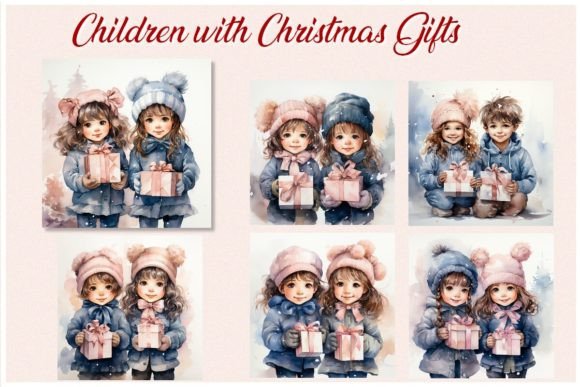
Upon opening the Christmas Cute Cards file, the immediate impression is one of warmth and nostalgia. The layout suggests a classic holiday greeting aesthetic, likely featuring stylized elements that mimic hand-drawn illustrations. In the world of machine embroidery design, "cute" can sometimes veer into overly simplistic or childish territory, but this asset appears to maintain a level of sophistication suitable for all ages. The visual personality leans heavily into the cozy, inviting mood that customers expect during the holidays.
The composition seems well-balanced, which is crucial for maintaining structural integrity during stitching. Designs in the Illustrations category often rely on a mix of satin stitch borders and fill stitch bodies to create depth. If executed correctly, this combination provides the necessary texture to make the design pop against various backgrounds without becoming too dense or stiff. The key here is the flow of the lines; a good illustration-based design should guide the eye naturally, avoiding jagged transitions that can occur when complex vector art is converted into stitch data.
Real-World Application: The Tote Bag Test
To truly gauge the viability of Christmas Cute Cards, I envisioned a specific real-life scenario: producing a run of custom canvas tote bags for a local craft fair. Tote bags are a staple for small shop products during the holidays, serving as both practical gifts and walking advertisements for a brand. When placing this design on a canvas tote, the scale becomes critical. The details need to be large enough to prevent thread bunching but small enough to fit comfortably on the bag's front panel.
In this context, the design shines as a focal point. Imagine a natural-colored canvas bag with the design stitched in traditional reds, greens, and creams. The contrast would be striking. For an Etsy seller, this kind of handmade product offers high perceived value. Customers are drawn to items that feel personalized and unique. If the stitch definition remains crisp, this design could easily anchor a entire collection of holiday embroidery goods, from aprons to kitchen towels. However, the success of this application relies heavily on the quality of the underlying digitization, specifically how the corners and curves are handled to avoid puckering on the woven canvas.
Versatility Across Different Fabrics
Beyond tote bags, the versatility of Christmas Cute Cards extends to custom apparel and home decor. For sweatshirt embroidery, the design would need to be tested on fleece or French terry cloth. These textured fabrics can sometimes swallow fine details, so it is essential to check if the stitch density is appropriate. A design that is too light may get lost in the nap of the fabric, while one that is too heavy can cause the garment to pucker or feel uncomfortable against the skin.
For baby embroidery projects, such as bodysuits or bibs, the softness of the finished stitch is paramount. Parents want festive items that won't irritate sensitive skin. If Christmas Cute Cards utilizes a significant amount of satin stitching, ensuring the backside is clean and trimmed is vital. Similarly, for embroidered patch creation, this design could be adapted by adding a merrowed edge, turning it into a detachable accessory for jackets or hats. The illustrative nature of the art makes it particularly well-suited for patches, where bold shapes and clear outlines are preferred.
Technical Considerations and Potential Pitfalls
While the aesthetic appeal is strong, a professional reviewer must also address the technical challenges. One area requiring caution is the use of this design on dark fabrics. Depending on the thread colors included in the palette, you may need to manually adjust the sequence or add an underlay to ensure the colors remain vibrant against black or navy backgrounds. Without proper underlay, the fabric texture can show through the fill areas, diminishing the visual impact.
Another consideration is the hoop size. Before committing to a production run, verify that the design fits within your available hoops, especially if you plan to embroider curved surfaces like caps. Caps present a unique challenge due to their curvature; a design with wide horizontal spans might distort if not centered perfectly or if the stabilizer isn't robust enough. Speaking of stabilization, using the correct stabilizer is non-negotiable. For stretchy knits or loose weaves, a cut-away stabilizer is often safer than tear-away to prevent long-term distortion after washing.
Furthermore, pay close attention to any tiny lettering or intricate corners within the illustration. Small details are the first to suffer if the machine tension is slightly off or if the thread quality is poor. It is highly recommended to test the design on scrap fabric identical to your final material. This "stitch-out" phase allows you to inspect the running stitch outlines and ensure there are no excessive jumps or trims that could compromise durability.
Enhancing Brand Value and Customer Trust
Ultimately, the choice of a design like Christmas Cute Cards impacts more than just the look of a single item; it influences brand consistency and customer trust. For commercial embroidery businesses, delivering a finished product that looks polished and professional encourages repeat business. A clean, well-defined design signals attention to detail, whereas a muddy or poorly stitched image can deter buyers.
When creating printable mockups for online listings, ensure that the digital representation matches the physical reality. Misleading previews can lead to disappointed customers. By thoroughly vetting the digital embroidery file beforehand, you protect your reputation. Whether you are selling personalized gifts or bulk design assets, the clarity and charm of the embroidery directly correlate to the item's giftability and marketability.
Final Verdict and Best Practices
In conclusion, Christmas Cute Cards presents itself as a promising asset for the holiday season, offering a blend of illustrative charm and practical application. Its strength lies in its adaptability across various mediums, from tote bag designs to festive apparel. However, its success depends on the user's diligence in preparation. Always confirm the licensing terms before selling items made with this design, as usage rights can vary between personal and commercial projects.
Before launching your production, remember to:
- Test the design on scrap fabric to check tension and density.
- Review thread color contrast, especially on dark materials.
- Ensure the hoop size accommodates the design without crowding.
- Use appropriate stabilizers for the specific fabric texture.
- Inspect small details for clarity and potential stitching issues.
By approaching Christmas Cute Cards with a critical eye and a methodical workflow, designers and makers can leverage this illustration to create standout products that capture the spirit of the season while maintaining the high standards expected in today's competitive marketplace.